
Energy, Phytoplankton, and Climate
As much as 40% of the energy cost for desalination is not only for reverse osmosis, but also to power the high-pressure, high-flow pumps that move as much as five times the amount of seawater as freshwater through intake and pretreatment.
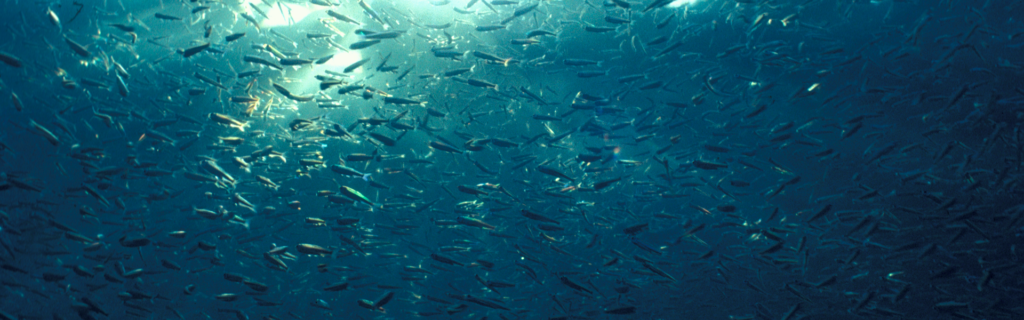
Phytoplankton is among the marine life entrained by intake and impacted by brine discharge. This phytoplankton concentrates along coastal zones. It is the base of the aquatic food chain and a primary source of more than half of the oxygen on the planet, releasing more O2 than all plants on land combined. Phytoplankton also absorbs CO2, which is delivered to the deep ocean depths when the life that feeds upon the carbon-rich phytoplankton descends. This is part of “Diel vertical migration,” a natural carbon sequestration that cycles from surface to a depth of 900′ every 24 hours. DVM is a planetary climate regulating process that can be adversely impacted by nearshore seawater intake and discharge